






Animal Supply and Model
ProMab Biotechnologies offers a comprehensive range of animal supply and animal modeling services designed to empower researchers and scientists in advancing their research. Our state-of-the-art facilities and ethical standards ensure that you receive the highest quality of service and support for your scientific endeavors. Trust in ProMab to be your partner in innovation, providing reliable solutions to meet the complex demands of modern research.
Animal Supply
Discover the future of scientific research and development with our premier selection of laboratory mice. By choosing our mice for your animal study models, you're embracing reliability, reproducibility, and exceptional quality for groundbreaking discoveries, all while adhering to the highest standards of ethical treatment. Partner with us to propel your research projects forward with confidence and unlock new possibilities in the world of science.
| Mice Types |
| BRG Mice |
| C-NKG-H2-Ab1 KO Mice |
| NKG |
| C-NKG B2m KO |
| Rag1 KO |
| Rag2 KO |
| Tcra KO |
| B6J-Ighm Ighd-DKO |
| BALB/c-Ighm Ighd-DKO |
| B6-Ighm KO |
| BALB/c-Ighm KO |
| B6-Ighj KO |
| BALB/c-Ighj KO |
Islet Products
ProMab Biotechnologies offer high-quality mouse islet products, isolated for exceptional purity and viability, making them ideal for diabetes and metabolic disease research. Choose ProMab for consistent, high-performance islets that support your scientific advancements.

Animal Study Models
Patient Derived Xenograft for In Vivo Pharmacology Studies
Patient-Derived Xenografts (PDX) are advanced cancer models where patient tumor cells are implanted into specially prepared mice, creating a more human-like environment for studying cancer progression, drug efficacy, and resistance. These models offer crucial insights into how therapies will perform in humans, aiding in drug discovery by improving target validation, candidate selection, and identification of patient populations and biomarkers.

Mouse Skin Transplantation Model
Mouse skin transplantation model offers insights into graft rejection's immunological and pathological mechanisms, emphasizing the T cell's role. Highlighting the procedure's simplicity and the reproducibility of acute skin graft rejection, it outlines the study of allograft rejection.

Mouse Model Bone Marrow Transplantation Model
Mouse models have been pivotal in the evolution of bone marrow transplantation (BMT) and adoptive T-cell therapy, providing vital insights into the mechanisms of disease and treatment for conditions like multiple myeloma and ataxias. These models have demonstrated the importance of T-cell dynamics in graft-versus-host and graft-versus-leukemia effects, the role of inflammatory cytokines, and the potential of stem cell therapy to restore mobility in movement disorders. Mouse models remain essential for advancing clinical treatments, offering a blend of traditional approaches and cutting-edge techniques to explore new therapeutic pathways.
Mouse Model for Islet Transplantation
Discover groundbreaking advancements in islet transplantation research, heralding a new era of hope for individuals with type 1 diabetes. Join us as we continue to transform promising laboratory breakthroughs into life-changing clinical applications.

Cell-Line Derived Xenograft Tumor Models
Derived from a diverse range of tumor cell lines, these models excel in adaptability, swiftly forming tumors in immunodeficient mice through various implantation methods. Ideal for preclinical testing, they pave the way for groundbreaking evaluations of drug efficacy, pharmacodynamics, and combination therapies. Despite emerging trends, CDX models stand out for their remarkable consistency and reliability, making them an indispensable tool in the quest for innovative cancer therapies. Dive into the future of cancer research with our CDX models, where precision meets progress.

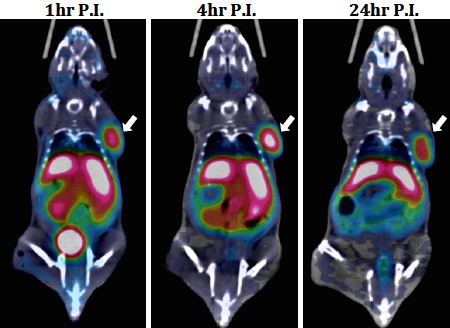
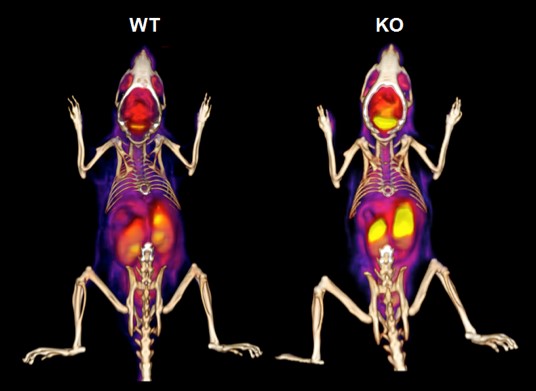
Imaging: Positron Emission Tomography (PET), Single Photon Emission Computed Tomography (SPECT), Magnetic Resonance Imaging (MRI), NIR-II and small animal molecular imaging.
Bioluminescence Imaging
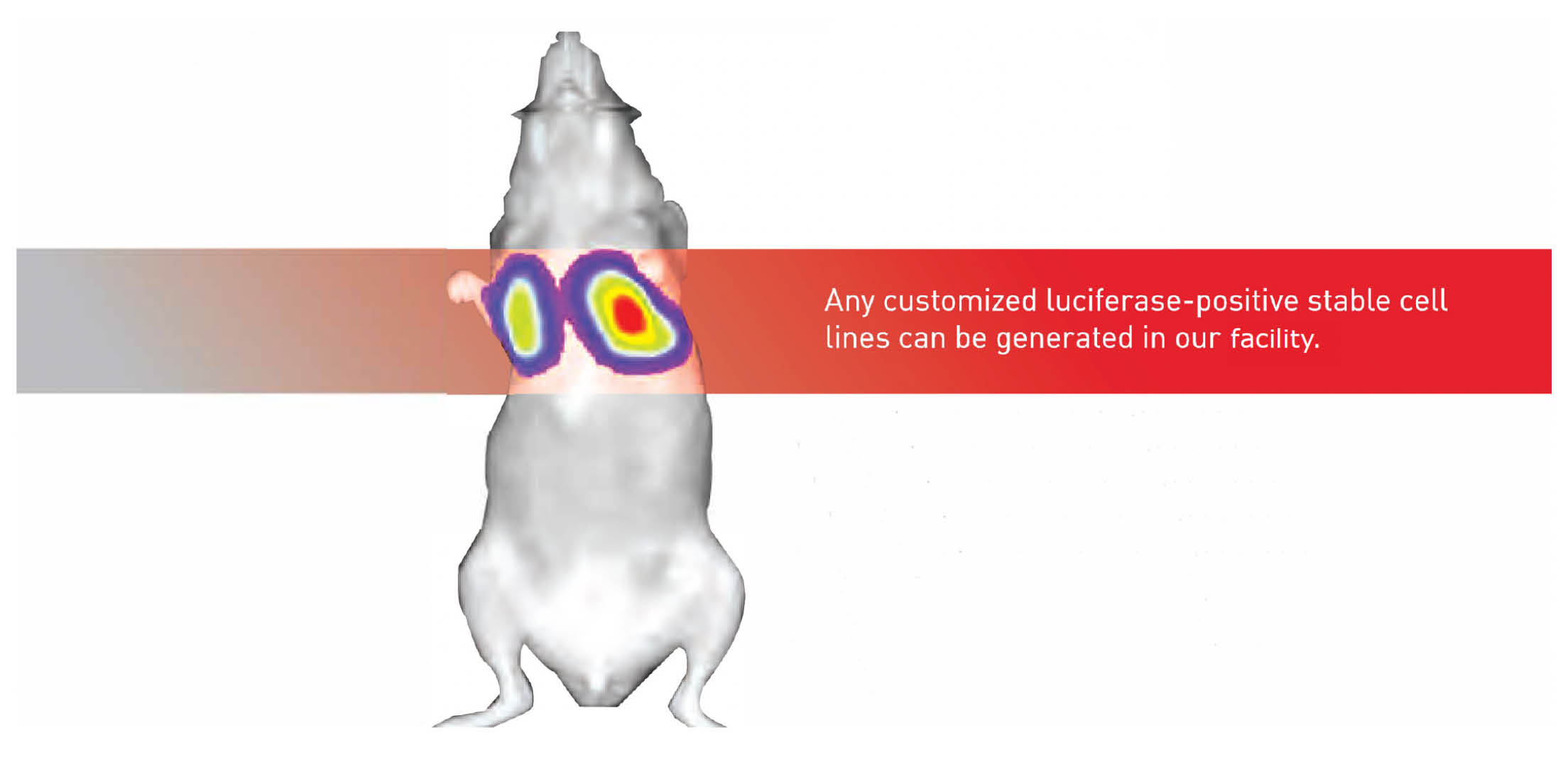
We have several luciferasepositive cell lines that can be analyzed using ivis imaging systems together with your CAR-T cells:
| 4T1-luc+ | HT29-luc+ | U87-luc+-GFP+ | A549-luc+ |
| Raji-luc+-GFP+ | PAN CO2-Luc+ | PC3M-luc+ | 816/F10-luc+ |
| HCT116-luc+ |
 Industry standard in vivo imaging system.
- Scientific grade 1 CCD camera, back thinned, back-illuminated, cooled to -70C.
- Light tight imaging chamber with a high collection lens, 50mm, f/0.95-f/8.
- Integrated isoflurane gas anesthesia system
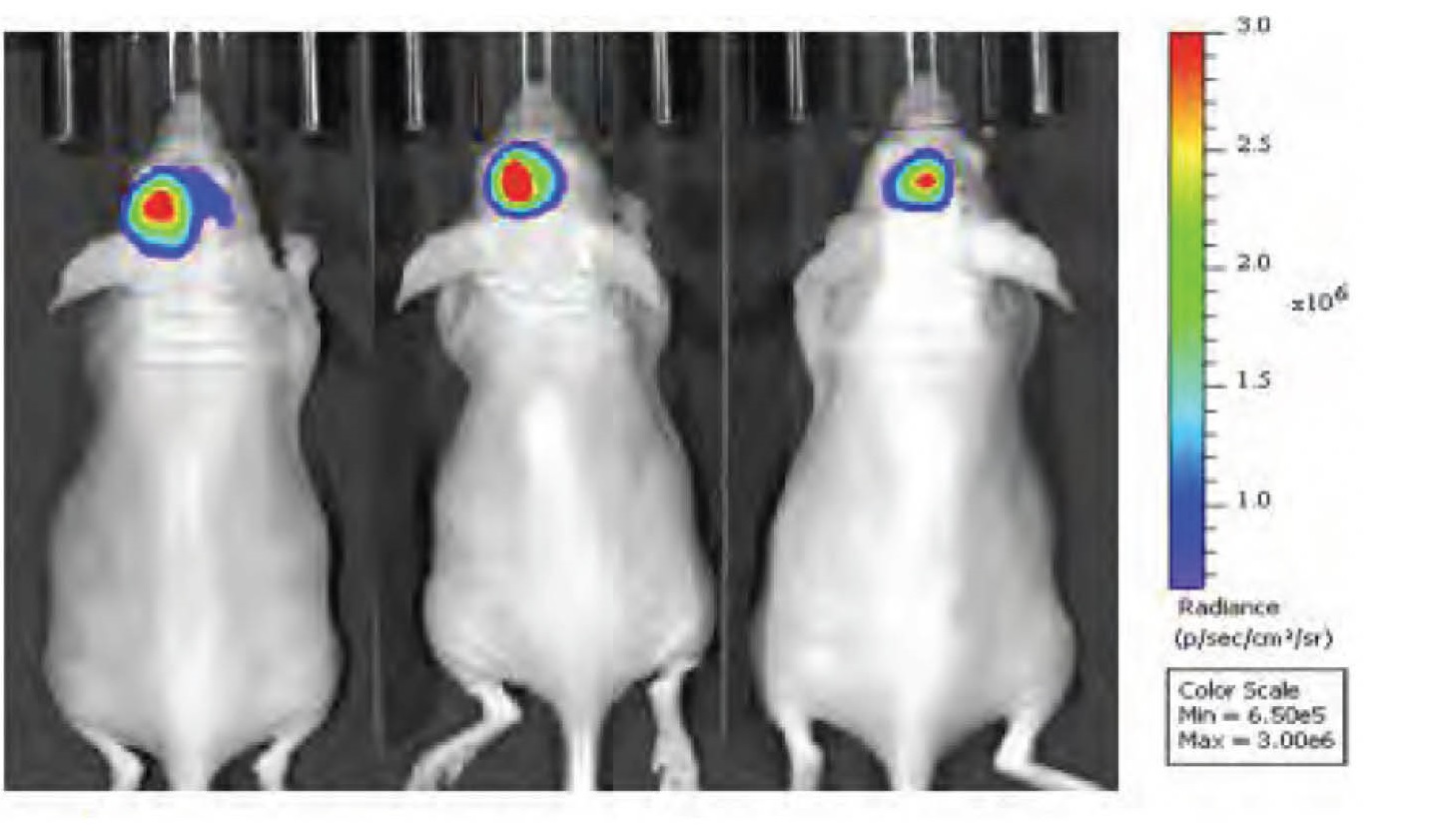
luc. Day 6 Post Implant of lx106 cells